Escort directory safety mistakes in Canada

A decision-tree style safety and privacy audit for using escort directories in Canada, focused on moving from broad country browsing into Toronto massage parlour listings without common mistakes around verification, deposits, hotel-area logistics, or digital traces.
The biggest myth city-break guests bring to a Canadian escort directory is that “if the site looks professional, it must be safe.” In practice, escort directory safety in Canada depends less on the site design and more on how you search, compare, and contact listings.
This page walks you through escort directory safety in Canada as a set of simple if/then decisions: how to move from a broad country view into specific Toronto massage parlour options, avoid deposit pressure, and protect your privacy while staying in a hotel district on a tight schedule.
If you’re on the Canada escort directory page, what should you do first?
Decision: Are you still browsing Canada in general, or are you actually staying near Toronto and need local escort directory safety advice?

- If you have a confirmed Toronto stay (downtown or a business hotel along transit routes), your next useful move is to narrow from the Canada directory down to the Toronto city listings.
- If your plans are flexible and you’re comparing cities like Montreal, Ottawa, or Vancouver, treat the country page as a high-level index: you’re mapping where active listings cluster and which cities justify deeper research.
Why it matters: Escort directory safety starts with scope. The more local your view, the easier it is to cross-check profiles, travel times, and realistic availability instead of guessing from a generic Canada search.
Quick comparison: Canada-wide scan vs Toronto-focused scan
- Canada-wide scan: Good for sensing which cities are active, but weak for real-time logistics or privacy decisions.
- Toronto city listings: Strong for hotel-area planning, comparing massage parlours, and spotting deposit or verification patterns.
- Toronto Massage Parlours category: Best for short trips when you want structured listings, clearer incall/outcall notes, and more consistent opening hours.
Are you choosing the right Toronto massage parlour section?
Decision: Once you’re in Toronto, are you still scrolling everything, or have you filtered down to massage parlours, which often fit hotel-district city breaks better than random mixed listings?

- If you prefer structured, spa-style settings with clearer location and hours, move directly to Toronto Massage Parlours. This filters the Library index to wellness-focused listings with more predictable logistics.
- If you’re still unsure of category, skim a few profiles in the Toronto city index and note which category labels feel closest to what you’re looking for, then commit to one section instead of hopping randomly between categories.
Why it matters: A focused category reduces choice overload and lets you learn the typical patterns in that category’s profiles — how they describe incall locations, what “near transit” usually means, and which payment expectations are normal.
Comparison grid: three ways to browse Toronto escort services
- 1. City-wide mixed listingsBest when you have time to browse and compare different types of services. Higher variety, but also more noise and inconsistent profile formats.
- 2. Massage Parlours categoryBest for hotel guests who want spa-style environments, clearer opening hours, and easier taxi or rideshare planning.
- 3. Single profile deep diveBest when you’re comfortable with one well-documented location and would rather spend time reading one complete profile than skimming ten shallow ones.
Does this profile pass a basic safety and completeness audit?
Decision: Before you contact anyone, does the profile read like a transparent record, or does it feel recycled and vague?
Use this quick audit on any Toronto massage parlour listing:
- Location tags: Is there at least a general area, such as a main subway line, downtown corridor, or major business district, or is it only “GTA” with no practical hint where you’d be going?
- Opening hours or schedule: Does the listing show real operating hours or time windows, or is it just “24/7” with no further detail?
- Contact channel consistency: Do phone, website, and any linked channels match, or are there mismatched numbers and usernames?
- Profile text uniqueness: Does the description sound tailored to that spa or parlour, or like a generic block you’ve seen repeated?
- Update signals: Is the profile updated, with recent photos or refreshed wording, or does it look abandoned?
If two or more of these checks fail, treat the listing as low-signal and keep it in a “maybe” tab rather than your first contact choice.
Using a concrete example wisely
If you open a specific listing such as Blondie Massage Spa, treat it as a case study in how you personally like information presented: area hints, cleanliness notes, and how clearly they describe their facilities and clientele. The point is not to assume one profile proves quality for the whole city, but to calibrate your expectations for detail and tone.
Are you aligned with your hotel area and local transport?
Decision: Are you staying downtown Toronto or in a more remote business or airport district, and have you factored travel time into your directory choices?
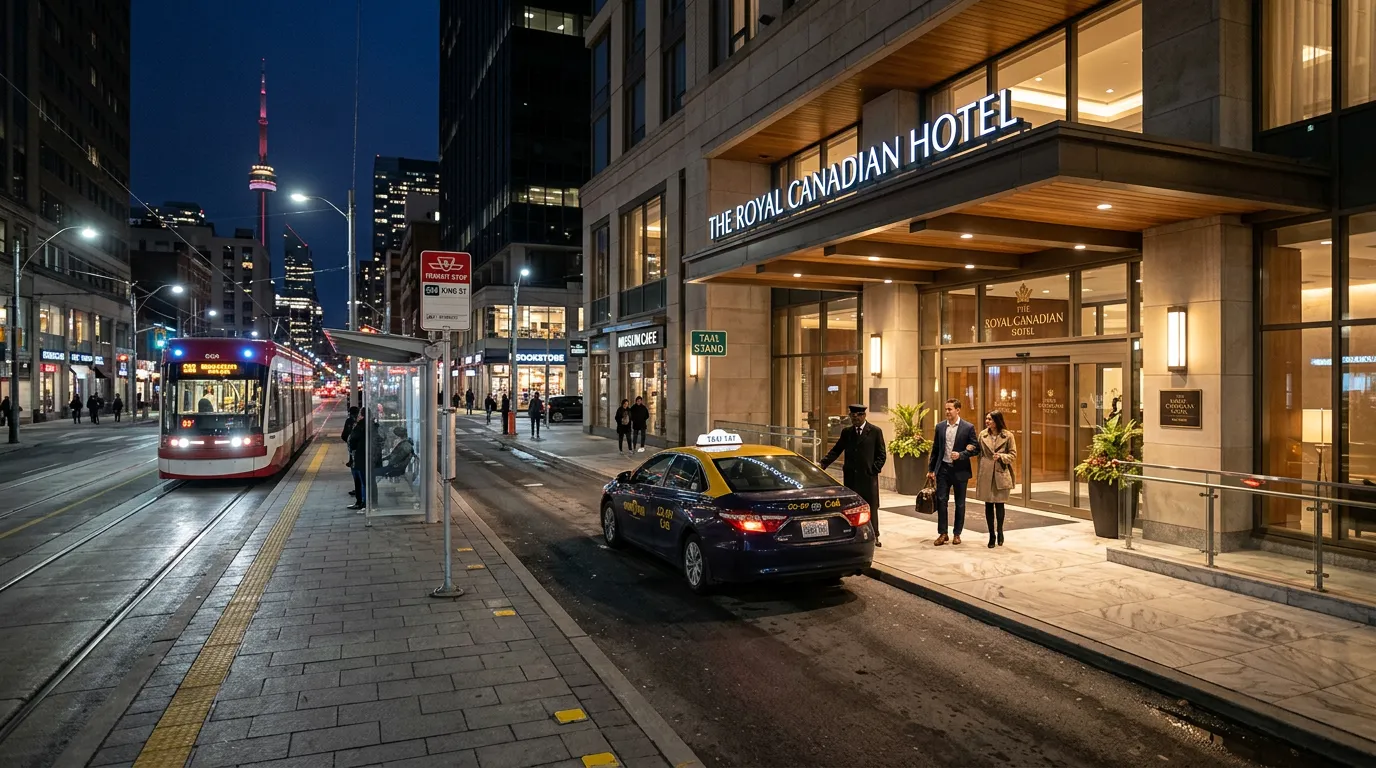
- If you’re downtown or near transit, prioritize listings that clearly mention central access, nearby subway connections, or short rides from major hotel clusters.
- If you’re farther out, avoid assuming a downtown listing is convenient just because it is in Toronto; check whether the route, timing, and return trip still fit your schedule.
Why it matters: Safety mistakes often start as logistics mistakes. A directory choice that looks fine on a map can become a privacy or timing problem if you ignore traffic, transit gaps, and lobby visibility.
What privacy habits reduce risk before you contact a listing?
Decision: Are you keeping your browsing and messaging separate from your everyday identity?
- Use a dedicated contact method for directory browsing instead of exposing your main personal number or primary email.
- Keep screenshots and saved notes minimal so you don’t leave an obvious trail on a shared phone or work device.
- Avoid overexplaining your travel plans in first contact; confirm only what is needed for scheduling and location clarity.
- Do not share sensitive information early unless you have already verified that the profile and contact details are consistent.
Why it matters: The less personal data you scatter across chats, notes, and saved media, the easier it is to keep your trip discreet and organized.
What payment and deposit mistakes should you avoid?
Decision: Does the listing ask for payment up front, and do you understand what is normal for that specific category?
- Be cautious with deposits if the request arrives before basic verification, especially if the contact details are inconsistent.
- Prefer clear, written terms over vague promises or pressure to pay quickly.
- Treat urgency as a warning sign when the tone shifts from booking help to pushy payment demands.
- Compare multiple listings so you can see whether a deposit request is presented clearly or only appears in one isolated profile.
Why it matters: Payment pressure can be a sign that the listing is not well managed, or that the contact is not as transparent as it should be.
How do you know when to stop browsing and move on?
Decision: Are you repeatedly opening new tabs without finding a listing that meets your basic safety checks?
- Stop and reset if every result looks generic, outdated, or inconsistent.
- Return to the city index if you started too broad and need a more focused search.
- Stick with one category if you already know you want a specific type of listing and are only creating noise by bouncing around.
Rule of thumb: If the directory search starts feeling uncertain, reduce scope rather than increasing effort. A smaller, cleaner shortlist is usually safer than a larger, messy one.